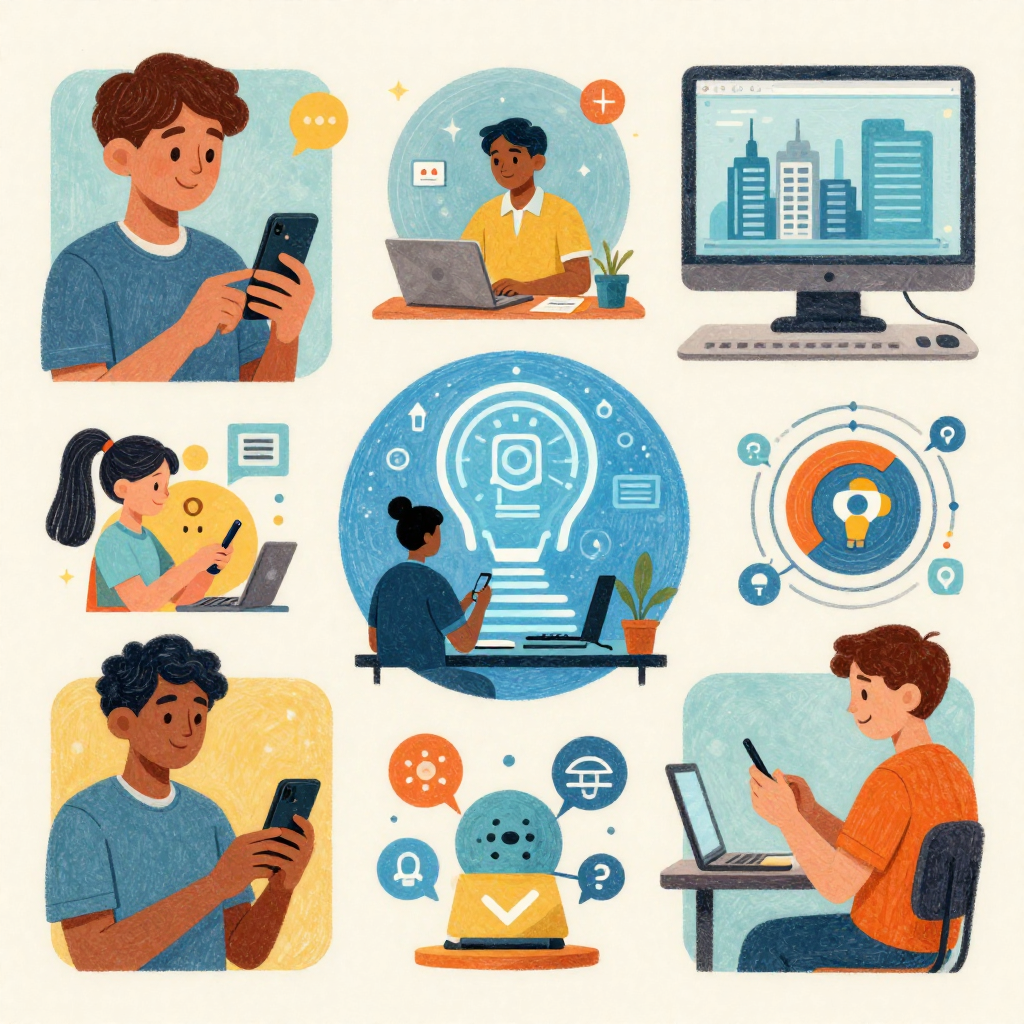
The impact of technology has become one of the most influential forces shaping the modern world. From the way people communicate to how businesses operate and governments function, technology affects nearly every aspect of daily life. Digital tools, automation, and artificial intelligence continue to redefine productivity, efficiency, and human interaction. As technology evolves, its influence grows deeper, creating both remarkable opportunities and serious challenges.
In the early stages of development, technology focused mainly on simplifying manual tasks. Today, it drives innovation, economic growth, and social transformation. Understanding the impact of technology is essential for individuals, organizations, and policymakers who aim to adapt and thrive in an increasingly digital environment.
The Impact of Technology on Society
The impact of technology on society is profound and far-reaching. Social interactions have changed dramatically due to smartphones, social media platforms, and instant messaging applications. People can now communicate across continents in seconds, strengthening global connections and cultural exchange.
However, technology also influences behavior and lifestyle. Increased screen time has changed how individuals interact face-to-face, sometimes reducing personal engagement. At the same time, online communities provide support networks and platforms for shared interests, activism, and learning. The impact of technology on society is therefore both positive and complex, requiring balance and responsible use.
The Impact of Technology on Business and the Economy
The impact of technology on business is one of the most visible transformations in the modern economy. Digital tools have streamlined operations, improved customer experiences, and opened new markets. Cloud computing, data analytics, and automation allow organizations to operate more efficiently and make informed decisions.
E-commerce platforms have changed consumer behavior by offering convenience, speed, and global access. Small businesses now compete with large corporations through digital marketing and online sales channels. At the same time, the impact of technology on employment has raised concerns, as automation replaces some traditional jobs while creating new roles that require advanced digital skills.
The Impact of Technology on Education
The impact of technology on education has reshaped how knowledge is delivered and accessed. Online learning platforms, virtual classrooms, and digital resources allow students to learn anytime and anywhere. This accessibility has reduced barriers for learners in remote or underserved areas.
Technology also supports personalized learning through adaptive software and interactive tools. Students can progress at their own pace while teachers use data to identify learning gaps. Despite these benefits, challenges such as digital inequality and reduced in-person interaction highlight the need for thoughtful integration of technology in education systems.
The Impact of Technology on Communication
The impact of technology on communication is one of the most significant changes in modern history. Emails, video calls, and instant messaging have replaced many traditional forms of communication. Information now spreads faster than ever, enabling real-time collaboration across the globe.
While these advancements improve efficiency, they also introduce risks such as misinformation and reduced attention spans. Managing digital communication responsibly is essential to ensure that technology enhances clarity, trust, and meaningful interaction rather than creating confusion or isolation.
The Impact of Technology on Healthcare
The impact of technology on healthcare has improved diagnosis, treatment, and patient care. Electronic health records, telemedicine, and wearable devices allow healthcare professionals to monitor patients more accurately and efficiently. These innovations increase access to medical services, especially in remote regions.
Advanced technologies such as artificial intelligence assist in early disease detection and treatment planning. However, concerns about data privacy and ethical use of medical technology remain critical issues. Balancing innovation with patient safety and confidentiality is essential in modern healthcare systems.
The Impact of Technology on Daily Life
The impact of technology on daily life is evident in routine activities such as shopping, transportation, and entertainment. Smart devices automate household tasks, while mobile applications simplify navigation, banking, and scheduling. These conveniences save time and improve quality of life.
At the same time, dependence on technology raises questions about mental health, privacy, and work-life balance. Establishing healthy boundaries and digital awareness helps individuals benefit from technology without becoming overwhelmed by it.
The Impact of Technology on the Future
The impact of technology will continue to expand as innovation accelerates. Emerging fields such as artificial intelligence, blockchain, and the Internet of Things promise to redefine industries and social structures. These advancements have the potential to solve global challenges related to healthcare, sustainability, and economic development.
However, the future impact of technology depends on ethical decision-making, inclusive access, and responsible governance. Preparing society for digital change requires education, adaptability, and collaboration between governments, businesses, and individuals.
Benefits and Challenges of the Impact of Technology
| Benefits | Challenges |
|---|---|
| Increased efficiency and productivity | Job displacement |
| Global connectivity | Privacy concerns |
| Improved access to information | Digital addiction |
| Innovation and economic growth | Cybersecurity risks |
Understanding both sides of the impact of technology helps decision-makers implement solutions that maximize benefits while minimizing risks.
FAQs
What is meant by the impact of technology?
The impact of technology refers to how technological advancements influence society, business, education, communication, and daily life.
How does the impact of technology affect employment?
Technology creates new job opportunities while automating some traditional roles, increasing demand for digital and technical skills.
Is the impact of technology always positive?
No, the impact of technology includes both positive outcomes and challenges such as privacy risks, job displacement, and overdependence.
How does technology impact education systems?
Technology improves access to learning, supports personalized education, and enables remote learning through digital platforms.
What role does technology play in healthcare?
Technology enhances diagnosis, treatment, patient monitoring, and access to healthcare services through digital tools and innovation.
How can individuals manage the impact of technology effectively?
Individuals can manage technology by setting boundaries, practicing digital awareness, and using technology responsibly and purposefully.
Conclusion
The impact of technology continues to shape the modern world in powerful and lasting ways. It influences how people live, work, learn, and communicate. While technology offers efficiency, innovation, and global connection, it also presents challenges that require thoughtful management. By understanding the impact of technology and adopting responsible practices, individuals and organizations can harness its potential to build a more productive, inclusive, and sustainable future.